
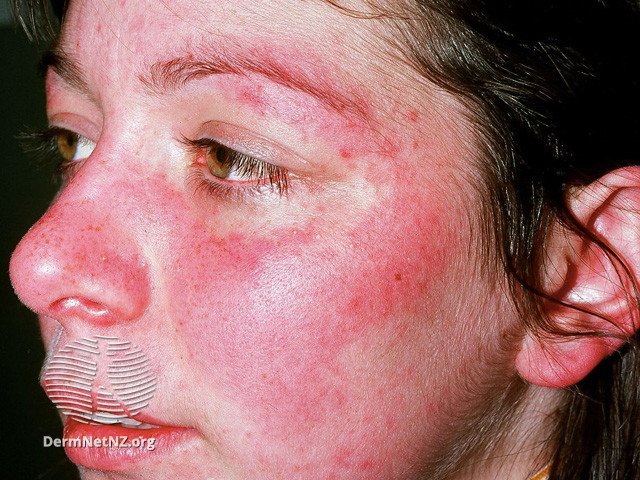
Lupus (Systemic Lupus Erythematosus, SLE)

An example of the classic butterfly rash associated with lupus, which we see after sun exposure on the face.
Credit: DermNet NZ
What is lupus?
Lupus is a complex autoimmune disorder where the immune system mistakenly targets the body's own tissues, leading to inflammation and damage. Multiple organs, including joints, skin, kidneys, heart, lungs, blood vessels, and the brain, can be affected. Elevated levels of antibodies against one's own tissue are detectable in blood tests. The disease has diverse manifestations, which can mimic other conditions, making diagnosis challenging. Cutaneous lupus specifically affects the skin, with discoid lupus erythematosus (DLE) being the most prevalent subtype. Women are more commonly affected by lupus than men, and certain ethnic groups exhibit higher prevalence rates. Although lupus is a chronic condition without a cure, multiple treatment options can manage its symptoms.
What causes lupus?
The exact cause of lupus is not fully understood. It is thought to result from an interaction between genetics, immune dysregulation, hormones, and environmental triggers.
Potential triggers or aggravating factors can include:
Sunlight or ultraviolet exposure
Infections
Certain medications in drug-induced lupus
Smoking
Genetic susceptibility
Lupus is more common in women, especially during childbearing years, but it can occur in anyone.
What are the symptoms of lupus?
Lupus is sometimes called "the great imitator" due to its vast and variable symptomatology, which can lead to delayed diagnosis. The skin is the initial manifestation of lupus in about 25% of patients. The "butterfly rash," which affects 30-60% of lupus patients, is a distinct facial rash. Additional skin manifestations encompass:
Color changes in fingers and toes (often due to cold or stress)
Photosensitivity, with rashes predominantly at sun-exposed sites
Generalized hair thinning
Blistery rashes
Sores in the mouth, nose, or genitals
Other systemic symptoms include:
Muscle discomfort
Joint pain and swelling
Persistent fatigue
Fever
Chest pain upon deep breathing
Cognitive disturbances like memory lapses or confusion
Dry eyes
Given the nonspecific nature of these symptoms, they alone can't pinpoint lupus. Diagnosis necessitates comprehensive evaluations and tests. Consultation with a healthcare provider is essential if these symptoms are present.
How do I treat lupus?
Treatment depends on whether disease is limited mainly to the skin or involves internal organs.
Possible treatments include:
Strict sun protection and photoprotection
Topical steroids or other prescription topicals for skin lesions
Antimalarial medications such as hydroxychloroquine
Short-term or systemic corticosteroids when needed
Immunosuppressive medications such as methotrexate, mycophenolate, or azathioprine in selected patients
Biologic therapies such as belimumab or anifrolumab in selected systemic lupus patients
Lupus care is often shared among dermatology, rheumatology, primary care, and sometimes additional specialists depending on organ involvement.
How do I prevent lupus flares?
It's impossible to prevent lupus onset, but flare-ups and further damage can be mitigated with certain practices:
Vigilant sun protection using clothing, broad-brimmed hats, and SPF 50+ sunscreen
Quitting smoking
Engaging in regular physical activity
Stress management techniques
Adequate rest and sleep
A balanced, nutritious diet

Subacute cutaneous lupus erythematous (SCLE) on the back - note the annular (ring-like) presentation of the lesions.
Credit: DermNet NZ

Tumid lupus on the face, which presents as pink-purple slightly swollen bumps.
Credit: DermNet NZ