
Molluscum Contagiosum

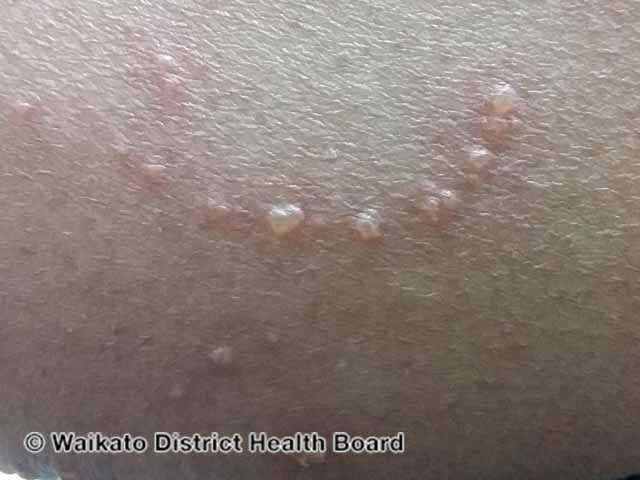
Molluscum contagiosum shows up as pimple-like bumps often on hot or sweaty areas. In the middle, you will see a small depression which is where the virus concentrates.
Credit: DermNet NZ
What is Molluscum Contagiosum?
Molluscum contagiosum is a common viral skin infection that causes small, smooth, dome-shaped bumps with a central dimple. It is especially common in children, but adults can also develop it. Lesions may occur anywhere on the body, and in adults they can appear in the genital area as well.
Molluscum is usually benign, but it can spread from one part of the body to another and from person to person.
What Causes Molluscum Contagiosum?
Molluscum is caused by the molluscum contagiosum virus. It spreads through direct skin contact and sometimes through shared items such as towels, sports equipment, or other objects that touch the skin.
It can also spread more easily when:
The skin is scratched or picked
There is underlying eczema
The immune system is weakened
Shaving spreads lesions into nearby skin
What are the Symptoms of Molluscum Contagiosum?
Common features include:
Small pink, white, or skin-colored bumps
A central indentation or dimple
Clustered lesions in warm or friction-prone areas
Surrounding eczema or irritation in some patients
Occasional tenderness, itch, or inflammation as lesions start to resolve
Although molluscum can clear on its own, some cases persist for many months and can continue to spread.
How do I Treat Molluscum Contagiosum?
Although molluscum contagiosum might resolve independently over a span of up to 2 years, treatments are advisable due to the persistent infectious nature of the lesions. Treatment modalities include:
Cryotherapy, where lesions undergo freezing
Cantharidin application, done in office
Topical preparations infused with podophyllotoxin or salicylic acid
Electrodessication or curettage for lesion removal, but these might leave scars
New approved treatments include Ycanth and berdazimer gel (Zelsuvmi), but these can be expensive
How do I Prevent Molluscum Contagiosum?
To curb the transmission of molluscum contagiosum:
Regularly wash hands
Avoid scratching or touching the lesions
Ensure all lesions are covered with clothing or bandages and dispose of them after single use
Abstain from sharing personal belongings like towels
Always launder clothes post-wearing
Engage in safe sexual practices and contemplate abstinence if genital lesions are present
Addressing surrounding eczema when present
Avoiding shaving over involved skin

Molluscum is often more common in people with eczema prone skin.
Credit: DermNet NZ

Molluscum often heals with a characteristic pock-mark type scar that goes away over time.
Credit: DermNet NZ