
Prurigo Nodularis (Nodular Prurigo)

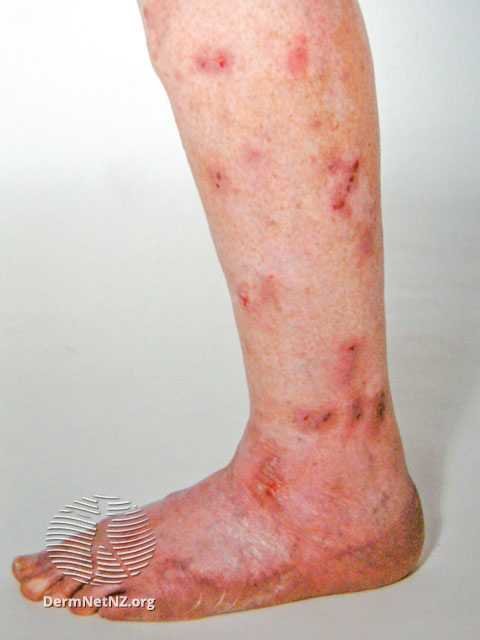
Prurigo nodularis, or “Picker’s Nodules”, are itchy nodules that are constantly getting rubbed and scratched.
Credit: DermNet NZ
What is prurigo nodularis?
Prurigo nodularis is a chronic skin condition marked by intensely itchy, firm bumps or nodules on the skin. These lesions often develop because of an ongoing itch-scratch cycle: the skin itches, scratching occurs, and repeated scratching helps create and maintain the nodules.
The condition can be frustrating and disruptive because itching is often severe and long-lasting.
What causes prurigo nodularis?
The precise cause of prurigo nodularis remains undetermined. However, the relationship between itching and the formation of nodules is not well-defined. It's uncertain whether scratching leads to nodule development or vice versa. Potential factors that might be associated with the onset of prurigo nodularis include:
Neural irritation preceding the scratching.
Possible association with nerve root compression near the spine.
Underlying conditions such as eczema, asthma, or seasonal allergies.
Certain systemic diseases, including kidney or liver disease, thyroid disorders, HIV, iron deficiency anemia, and polycythemia vera.
What are the symptoms of prurigo nodularis?
Symptoms can include:
Very itchy firm bumps or nodules
Lesions that may be picked, crusted, or excoriated
Dark marks or scarring after lesions heal
Poor sleep or impaired quality of life because of severe itching
The arms, legs, shoulders, and trunk are common sites.
How do I treat prurigo nodularis?
Treatment usually focuses on reducing itch, calming inflammation, and interrupting the itch-scratch cycle.
Treatment options can include:
Prescription topical medications including steroids and moisturizers
Corticosteroid injections into stubborn nodules in selected cases
Antihistamines or other itch-directed medications in some patients
Systemic medications for more severe disease
Biologic therapies such as dupilumab (Dupixent) or nemolizumab (Nemluvio) for appropriate patients
Newer targeted treatments have made this condition more treatable than it was in the past, especially for patients with more severe or persistent disease.
What can help reduce prurigo nodularis flares and scratching?
Helpful strategies can include:
Keeping nails trimmed short
Using moisturizers regularly when dry skin is part of the problem
Identifying times when scratching is most common, such as at night or during stress
Treating associated eczema or other itch triggers when present
Because itching can be severe and persistent, patients often need a treatment plan that goes beyond basic topical therapy alone.

It can be very difficult for prurigo nodules to heal. Generally the longer they have been there the longer they may take to heal.
Credit: DermNet NZ

Prurigo nodules may resemble other types of skin growths, like warts or keratoses.
Credit: DermNet NZ