
Acne

What is acne?
Acne is a common skin condition that affects a majority of people at some point in their lives. It leads to the formation of blocked pores, pimples, cysts, and other types of skin lesions. While it most commonly affects the face, it can also appear on the neck, chest, back, shoulders, and upper arms. Acne is prevalent among teenagers but can affect individuals of all ages. Although not life-threatening, untreated acne can result in both physical scarring and emotional distress.
What causes acne?
Acne occurs when the pores or hair follicles on the skin become clogged due to excess oil (sebum), bacteria, or dead skin cells. This clogging can lead to the formation of a plug, causing the hair follicle to bulge out from the skin's surface. The development of acne is often influenced by a combination of factors, including hormonal changes, bacterial activity, genetic predisposition, and, in some instances, certain medications.
What are the symptoms of acne?
Acne symptoms predominantly manifest on the face, but they can also appear on the neck, shoulders, back, and chest. The symptoms may include:
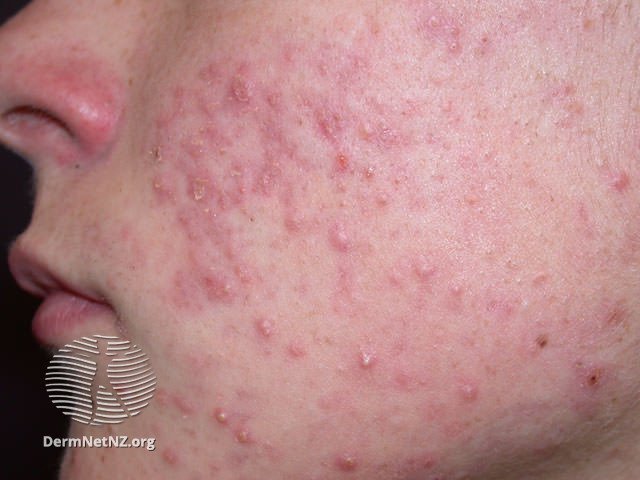
Blackheads and whiteheads
Pustules
Cysts or nodules
Swelling and redness
Scarring in severe cases
How is acne treated?
Effective acne treatment aims to reduce oil production, control inflammation, reduce clogged pores, and help prevent scarring. Patients are advised against picking or squeezing pimples, as this can worsen inflammation and scarring.
Treatment options include:
Topical treatments such as benzoyl peroxide, topical antibiotics, azelaic acid, glycolic acid, salicylic acid, and topical retinoids like tretinoin, tazarotene, and adapalene
Newer topical prescription options such as clascoterone (Winlevi), which offers a topical anti-androgen approach for acne in appropriate patients
Oral prescription medications such as antibiotics, isotretinoin, or hormonal therapies like spironolactone and oral contraceptive pills
Scar-directed procedures such as chemical peels, fillers, dermabrasion, microdermabrasion, and laser treatment when needed
How do I prevent acne?
While it's difficult to completely prevent acne, the following practices may help minimize the risk of breakouts:
Avoid heavy or oily cosmetics and harsh skin cleansers
Remove makeup before going to bed
Limit exposure to direct sunlight
Refrain from constantly touching your face
Consider dietary changes, such as avoiding dairy or foods with a high glycemic index

Open and closed comedones, consistent with comedonal acne.
Credit: DermNet NZ
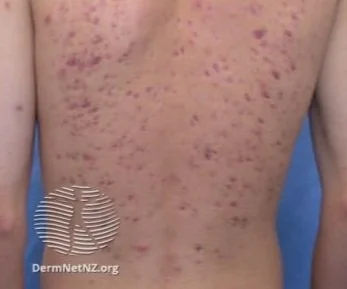
Inflammatory nodulocystic acne leading to acne scarring on the back and shoulders.
Credit: DermNet NZ